
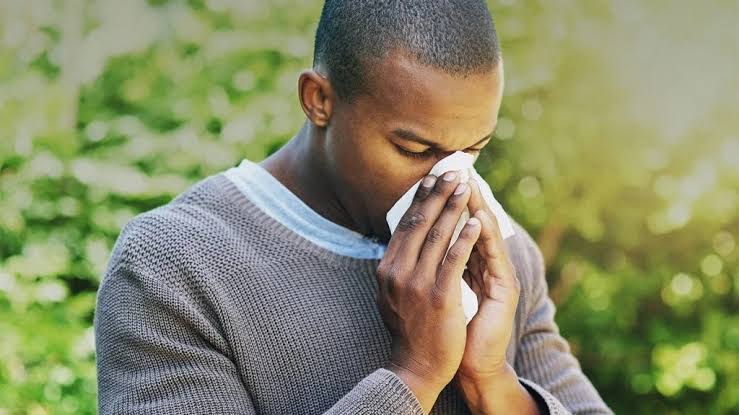

Health experts are sounding the alarm as many Nigerians report unusual cold-like symptoms in recent weeks, including persistent cough, sore throat, sneezing, and nasal congestion. This rise in respiratory cases has been linked to an unexpected spell of harmattan-like weather, which has emerged outside its normal season.
According to medical professionals, this sudden shift to cooler, dry, and dusty conditions -normally seen during the harmattan months – has created a favorable environment for the spread of viral infections. They stress that the unusual weather pattern is another clear signal of the impacts of climate change on public health.
Why the Sudden Spike in Cold Symptoms?
A Professor of Public Health explained that the common cold, caused mainly by rhinoviruses, is usually a mild and self-limiting infection. However, the sudden fluctuations in weather—cold mornings and nights, hot afternoons, and increased dust in the air—are straining people’s immune systems and making them more vulnerable.
He noted that while common cold symptoms (sneezing, runny nose, sore throat, and nasal congestion) are usually not dangerous, people must not overlook warning signs of more serious conditions. Prolonged fever, chest pain, difficulty in breathing, or extreme fatigue could signal illnesses such as pneumonia, bronchitis, or influenza, which require urgent medical care.
Stress and Low Immunity: A Hidden Risk
Beyond the weather, experts emphasize that stress is a major contributor to the rise in cold cases. When people are under physical or emotional stress, their immune systems weaken, making it easier for viruses to take hold.
“Stress reduction is crucial. A weakened immune system cannot fight off infections effectively. People should get adequate rest, eat balanced meals, drink water, and manage stress levels,” the physician warned.
The Dangers of Self-Medication
One major concern is the widespread misuse of antibiotics by Nigerians trying to treat cold symptoms. Doctors caution that antibiotics are ineffective against viral infections like the common cold and misuse could worsen the problem by fueling antimicrobial resistance.
Instead, they recommend safer remedies such as:
Steam inhalation to ease nasal congestion
Nasal sprays and over-the-counter medicines for relief
Fruits rich in Vitamin C (like oranges and lemons), as well as supplements containing Vitamin D and zinc to boost immunity
Hydration and rest, which help the body recover naturally
Who Is Most at Risk?
A licensed community health practitioner confirmed a noticeable rise in cold-related complaints, particularly among people working outdoors. She noted that roadside workers, drivers, market traders, and artisans are especially exposed to the harsh, dusty atmosphere.
She explained that frequent exposure to dust irritates the respiratory tract, while erratic temperatures put extra stress on the body, lowering its natural defences.
Preventive Measures for Nigerians
Experts strongly advise Nigerians to:
Dress appropriately for chilly mornings and nights
Stay hydrated to prevent dryness in the throat and airways
Use face masks in dusty or crowded places
Maintain proper ventilation indoors while keeping spaces clean and dust-free
Exercise regularly and sleep well to keep the immune system strong
Reduce stress – through rest, relaxation, and healthy routines
The message is clear: Nigerians should not only pay attention to their physical health but also guard their mental and emotional well-being, as stress directly weakens the body’s resistance against infections.








Leave a Reply